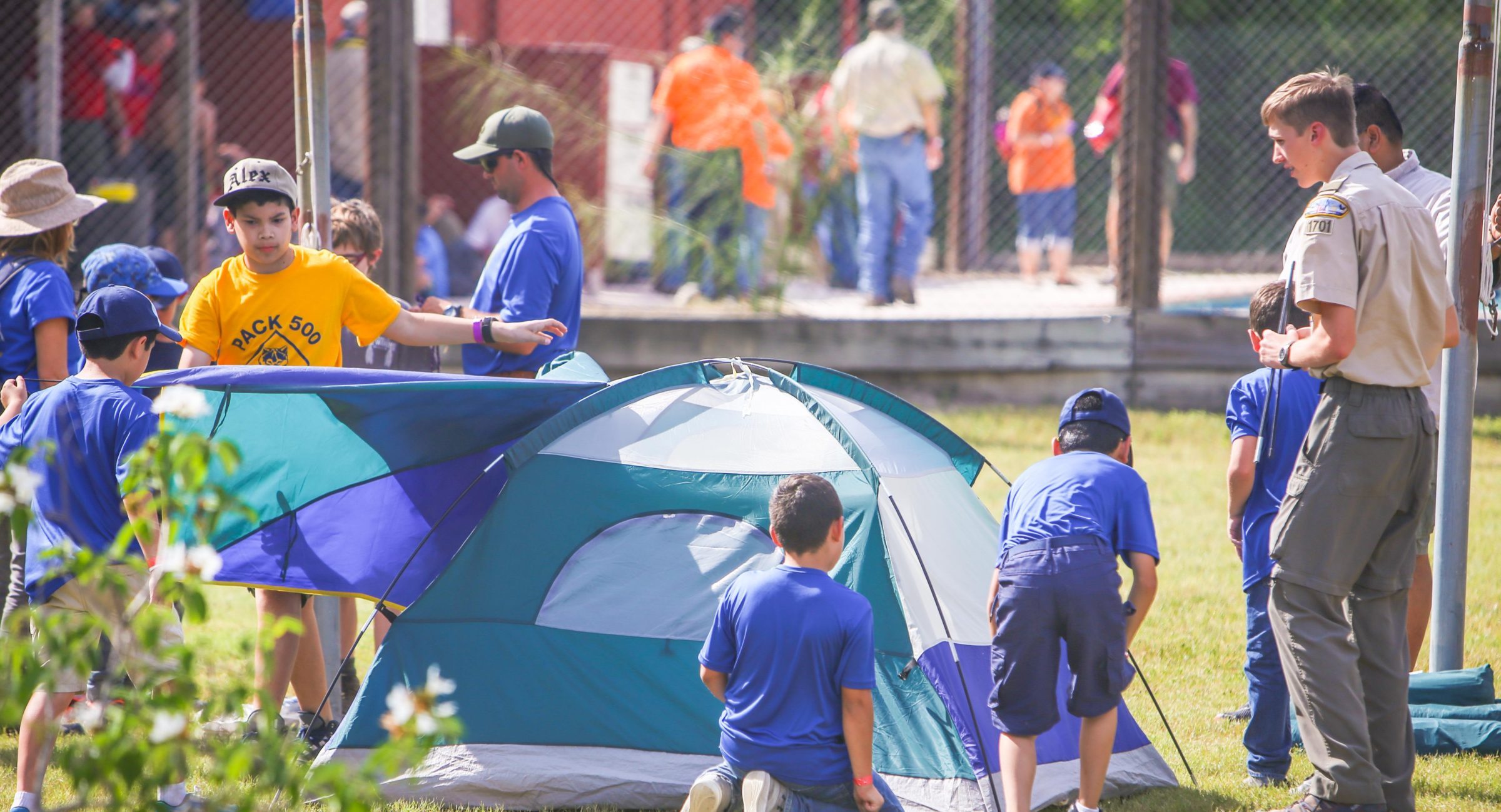
Few Scout camps in the country sit in a wildlife hotspot quite like Camp Perry. The wildlife of the Arroyo Colorado includes birds that birders travel thousands of miles to see, reptiles that are protected by Texas law, and tough, thorny native plants found almost nowhere else in the United States. This guide covers what Scouts can look for, where to find it, how to identify it, related merit badges and how to stay safe.
Key takeaways
- Camp Perry sits in the Lower Rio Grande Valley, where subtropical, desert and coastal species overlap. Many of the birds here are hard or impossible to find anywhere else in the U.S.
- Look for the "Valley specialty" birds: Green Jay, Great Kiskadee, Plain Chachalaca, Altamira Oriole, Buff-bellied Hummingbird and kingfishers along the water.
- The Texas tortoise and Texas horned lizard are state-listed threatened species. You can look and photograph, but you may not pick them up or take them home.
- Venomous snakes, including the western diamondback rattlesnake and Texas coral snake, live in the region. Never handle any snake, and tell an adult right away if you see one.
- Fire ants and mosquitoes are the hazards you are most likely to actually meet. Closed-toe shoes and insect repellent help a lot.
- Leave No Trace's seven principles apply at camp, not just on the trail.
Why the Lower Rio Grande Valley is a wildlife hotspot
The Lower Rio Grande Valley is where several very different worlds meet. Tropical species reach the northern edge of their range here, dry-country plants and reptiles push in from the west, and the Gulf and Laguna Madre add coastal and wetland species. The Valley also sits under major bird migration routes, which is why it is famous among birders.
Tamaulipan thornscrub
The native plant community of the Valley is called Tamaulipan thornscrub (sometimes "brush" or "monte"). It is a dense tangle of short, thorny trees and shrubs such as Texas ebony, mesquite, granjeno, brasil and various acacias, with prickly pear cactus and grasses underneath. Much of it was cleared for farms and towns, so remaining patches along waterways and in refuges are vital wildlife shelter.
Arroyos and resacas
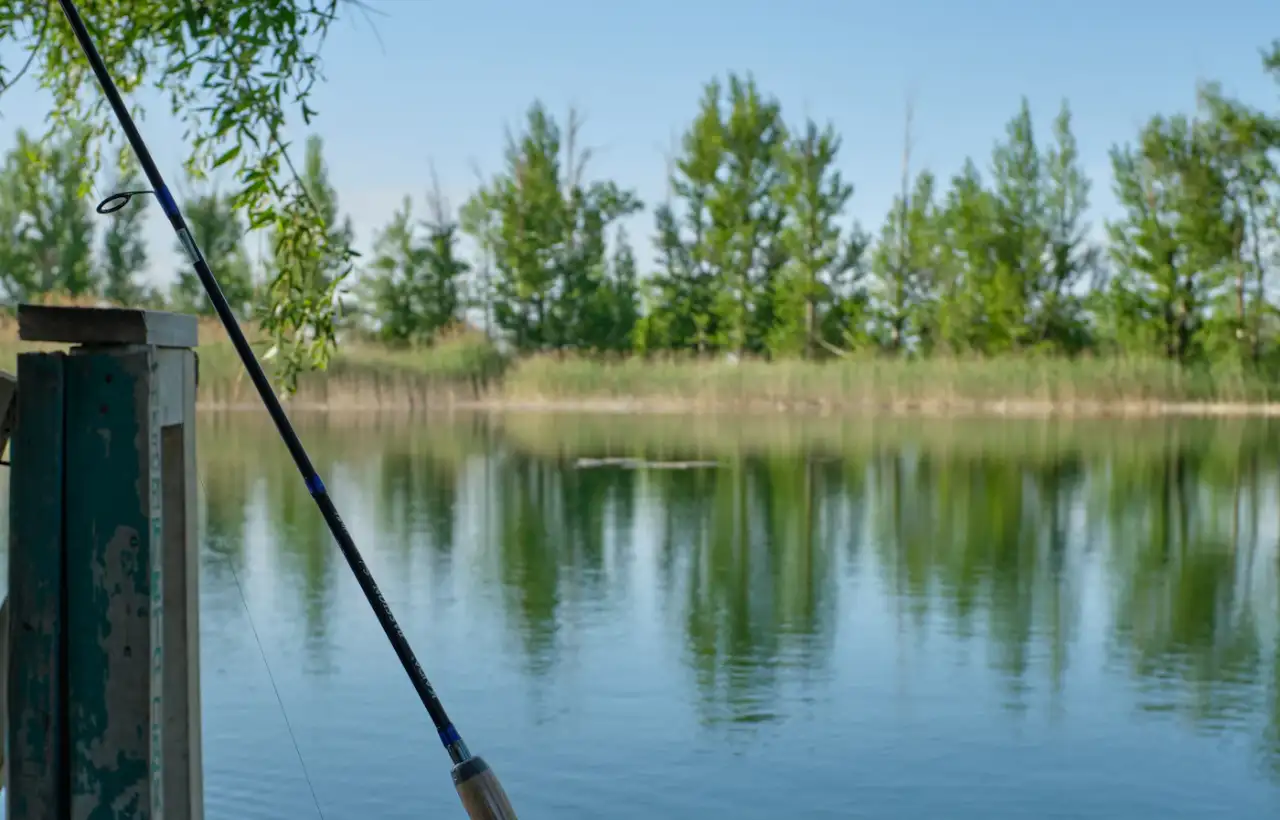
The Rio Grande has shifted its course many times. Old, abandoned channels left behind curving ponds and wetlands that locals call resacas. The Arroyo Colorado itself is an ancient distributary channel of the river that now winds through Harlingen and past Rio Hondo on its way to the Laguna Madre. Slow water, muddy banks and overhanging trees make ideal hunting grounds for kingfishers, herons and egrets, and Camp Perry's docks give Scouts a front-row seat.
Signature birds to look for at camp
Binoculars, a notebook and a field guide or birding app are plenty. Bird early and late in the day, when birds are active and the heat is lowest.
Green Jay
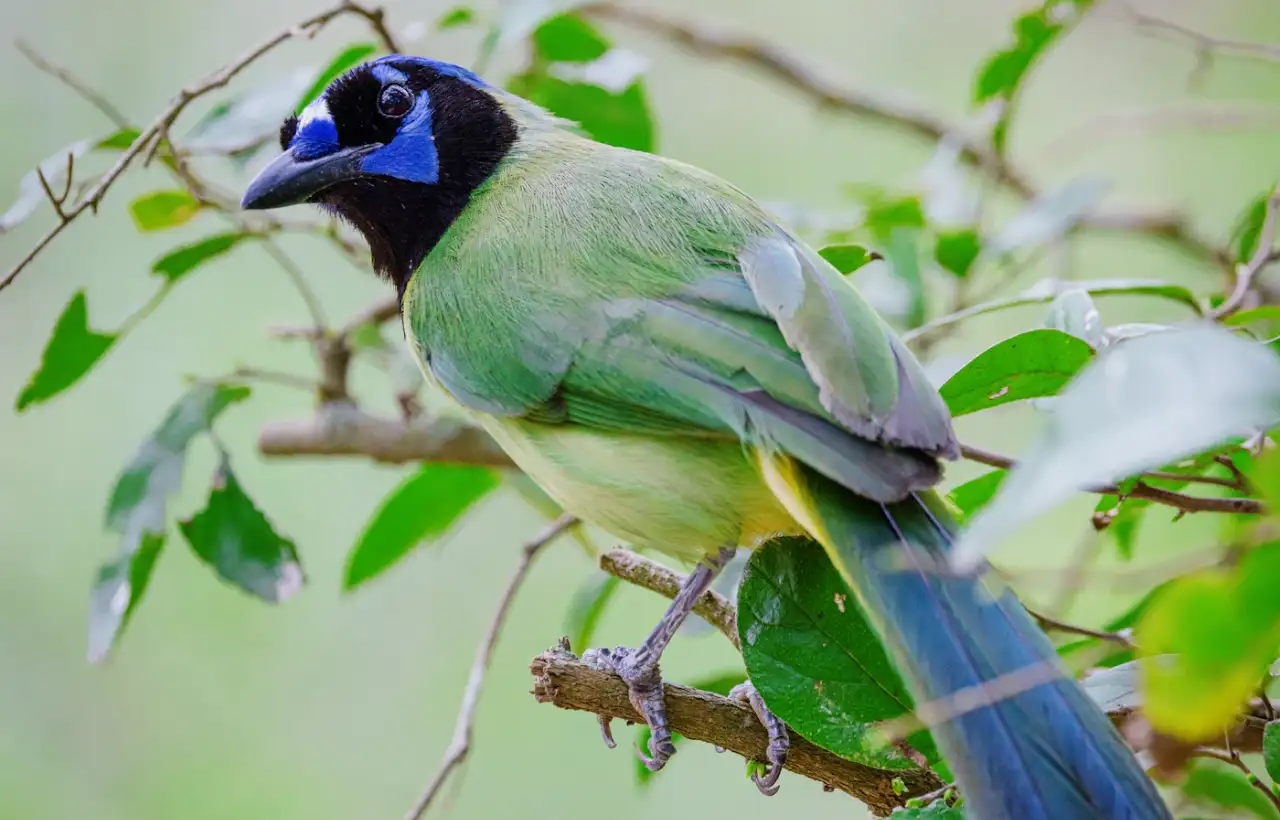
Bright green, blue, yellow and black, the Green Jay looks like it escaped from a tropical aviary. In the United States it lives only in South Texas. Green Jays travel in noisy family groups and are often curious about people near campsites.
Great Kiskadee
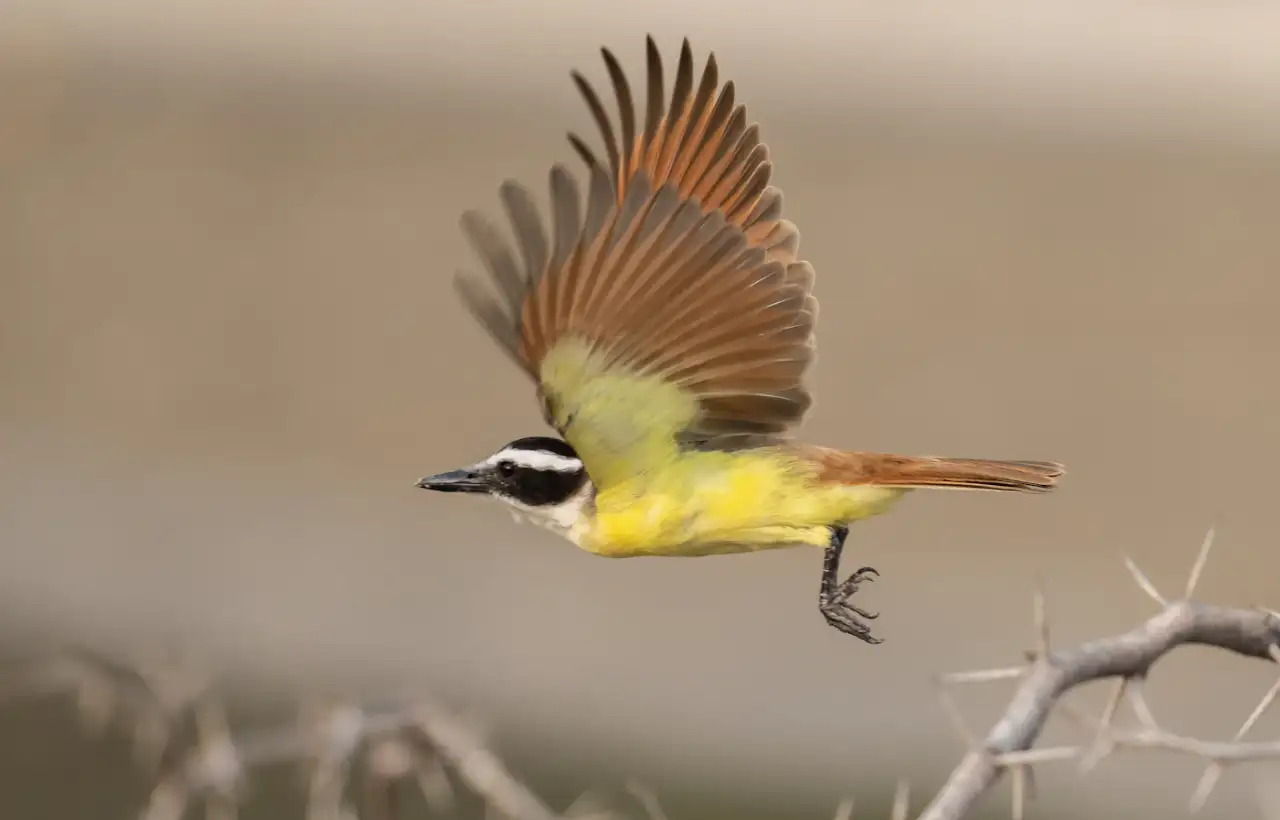
This large flycatcher has a bold black-and-white striped head, a rufous (reddish-brown) back and wings, and a brilliant yellow belly. Its loud call sounds like "kis-ka-DEE," which gives it its name. Kiskadees perch near water and dive for small fish and insects, much like a kingfisher.
Plain Chachalaca
You will probably hear chachalacas before you see them. At dawn, groups call back and forth in a loud, raucous chorus that sounds like "cha-cha-LAC-a." They are brownish-gray, chicken-sized birds with long tails that clamber through tree branches and brush.
Altamira Oriole
The largest oriole in the United States is flaming orange with a black throat and wings. Look up in tall trees for its remarkable nest: a long, woven, sock-shaped pouch that hangs from the tip of a branch.
Buff-bellied Hummingbird
A medium-sized hummingbird with a glittering green throat, buff (tan) belly and a red bill with a dark tip. It visits flowering shrubs and feeders.
Kingfishers and water birds
The Valley is the one place in the U.S. where you can realistically see three kingfisher species. The Ringed Kingfisher is the largest, with a big shaggy crest, blue-gray back and a rusty belly; its loud, rattling call carries far over the water. The tiny Green Kingfisher, barely larger than a sparrow, zips low over the surface. The familiar Belted Kingfisher may also turn up, especially in cooler months. Along quiet edges, look for the Least Grebe, a small, dark diving bird with golden-yellow eyes, as well as herons, egrets, cormorants and Black-bellied Whistling-Ducks.
Other Valley regulars
Keep your checklist open for the Golden-fronted Woodpecker, Couch's Kingbird, Long-billed Thrasher, Olive Sparrow, White-tipped Dove, Great-tailed Grackle and, overhead, Harris's Hawks.
Reptiles and amphibians: look, don't touch
South Texas is excellent reptile country. For Scouts working on Reptile and Amphibian Study, the golden rule at camp is simple: observe and photograph, but do not handle unless a qualified staff member is leading an approved activity.
Protected species
The Texas tortoise is a small, high-domed land tortoise with yellowish-orange and brown shell plates. It eats prickly pear pads and fruit and lives in brushy, sandy areas. The Texas horned lizard, often called a "horny toad," is a flat, spiny lizard that feeds mainly on harvester ants. Both are listed as threatened by the State of Texas, which means it is illegal to collect, keep, transport or harm them. See the Texas Parks and Wildlife Department at tpwd.texas.gov. Give it space and take a photo instead.
Other common reptiles
Texas spiny lizards scramble up tree trunks and fence posts. Red-eared sliders and other turtles bask on logs along the arroyo. You might see non-venomous snakes such as rat snakes and racers, and the region is home to the large, glossy Texas indigo snake, another state-threatened species.
Venomous snakes and snake safety
Two venomous snakes of the region deserve special respect. The western diamondback rattlesnake is heavy-bodied with a pattern of diamond-shaped blotches, a black-and-white banded tail and a rattle. The Texas coral snake is slender and brightly banded in red, yellow and black. Do not rely on rhymes about color order to decide whether a banded snake is safe. Treat every snake you cannot positively identify as dangerous.
Snake safety at camp
Stay on trails and cleared areas, and wear closed-toe shoes. Use a flashlight after dark. Never reach or step into places you cannot see, such as brush piles, woodpiles or under rocks. If you see a snake, stop, back away slowly and tell an adult so staff can handle it. If someone is bitten, keep them calm and still, remove rings or tight items near the bite, and get emergency help immediately by alerting staff and calling 911. Do not cut the wound, try to suck out venom, apply ice or use a tourniquet.
Native plants of the thornscrub
A handful of native plants to learn, useful for Plant Science, Forestry and Nature:
- Texas ebony: A dense evergreen tree with dark, twice-compound leaves, paired thorns and thick, woody seed pods.
- Anacua: A shade tree with rough, sandpaper-textured leaves, small white fragrant flowers and orange fruits that birds love.
- Honey mesquite: A familiar Texas tree with feathery leaves, thorns and long, bean-like pods.
- Retama: A green-barked, thorny small tree with bright yellow flowers and long, wispy leaves. It often grows near water and disturbed ground.
- Prickly pear: The flat-padded cactus of South Texas. Its purple fruits (tunas) feed tortoises, birds and mammals. The tiny hair-like spines (glochids) are harder to remove than the big ones, so admire from a distance.
Insects and small hazards
The animals you are most likely to meet up close are small ones.
- Fire ants: Look for loose, fluffy dirt mounds in grassy and sunny areas. Disturbing a mound brings out swarms of ants that sting repeatedly. Check the ground before sitting or setting down packs, and wear closed-toe shoes.
- Mosquitoes: Most active at dawn and dusk and near water. Use an insect repellent with an EPA-registered active ingredient such as DEET or picaridin, following the label, and consider long sleeves in the evening.
- Chiggers and ticks: Common in tall grass and brush. Stay on trails and do a quick body check at the end of the day.
- Scorpions, wasps and bees: Shake out shoes, clothing and sleeping bags before using them, and leave nests alone.
Heat is also a real hazard during Valley summers. Read our heat safety guide for hydration and heat-illness tips, and check the summer camp packing list for repellent, binoculars and other gear.
Quick field guide: species, where to look and merit badges
Use this table as a starting checklist. Merit badges listed are ones the observation can support; whether a given badge is offered during a particular camp session depends on the program, so check the current schedule with the council.
| Species | Where to look | ID tip | Related merit badge |
|---|---|---|---|
| Green Jay | Brushy edges near campsites and dining areas | Green body, blue head, black bib, noisy groups | Bird Study |
| Great Kiskadee | Perches over water, docks, open trees | Striped black-and-white head, yellow belly, "kis-ka-DEE" call | Bird Study |
| Altamira Oriole | Tall trees; look for hanging nests | Bright orange, black throat, long woven nest | Bird Study |
| Ringed Kingfisher | Along the Arroyo Colorado banks | Large, shaggy crest, rusty belly, loud rattle | Bird Study, Fish and Wildlife Management |
| Green Kingfisher | Low branches right over the water | Tiny, dark green back, flies low and fast | Bird Study |
| Least Grebe | Quiet, vegetated water edges | Small, dark diver with golden eyes | Bird Study, Environmental Science |
| Texas tortoise | Brushy, sandy areas near prickly pear | High domed shell; protected, do not handle | Reptile and Amphibian Study |
| Texas horned lizard | Open, sandy ground near ant mounds | Flat body, crown of horns; protected, do not handle | Reptile and Amphibian Study |
| Texas ebony | Thornscrub and shaded groves | Dark evergreen leaves, paired thorns, thick pods | Plant Science, Forestry |
| Prickly pear | Open, sunny ground | Flat pads, purple fruit, tiny glochid spines | Nature, Plant Science |
| Fire ant mound | Grassy, sunny areas | Loose, fluffy dirt with no central opening | Insect Study, Environmental Science |
Keep a camp nature journal
Record each species with the date, time, location and weather, and sketch a field mark or two. It is great practice for Bird Study and Nature, and a fun keepsake.
Nearby Rio Grande Valley birding destinations
If a week at camp sparks a love of nature, the Valley offers some of the best public wildlife areas in the country for a family or unit outing:
- Laguna Atascosa National Wildlife Refuge, east of Rio Hondo near the Laguna Madre, protects coastal prairie, thornscrub and wetlands and is known for ocelot conservation. See the U.S. Fish and Wildlife Service refuge page.
- Santa Ana National Wildlife Refuge, near Alamo in Hidalgo County, is a classic riverside birding site with trails through Rio Grande forest. See the refuge page.
- World Birding Center sites: A network of parks and nature centers across the Valley, including a site along the Arroyo Colorado in nearby Harlingen, plus state parks such as Estero Llano Grande, Bentsen-Rio Grande Valley and Resaca de la Palma.
Hours, fees and access rules change, so check each site before you go.
Leave No Trace at camp: the seven principles
Scouting America is a long-time partner of the Leave No Trace Center for Outdoor Ethics, and the seven principles apply at a developed camp just as much as in the backcountry. Learn more at lnt.org.
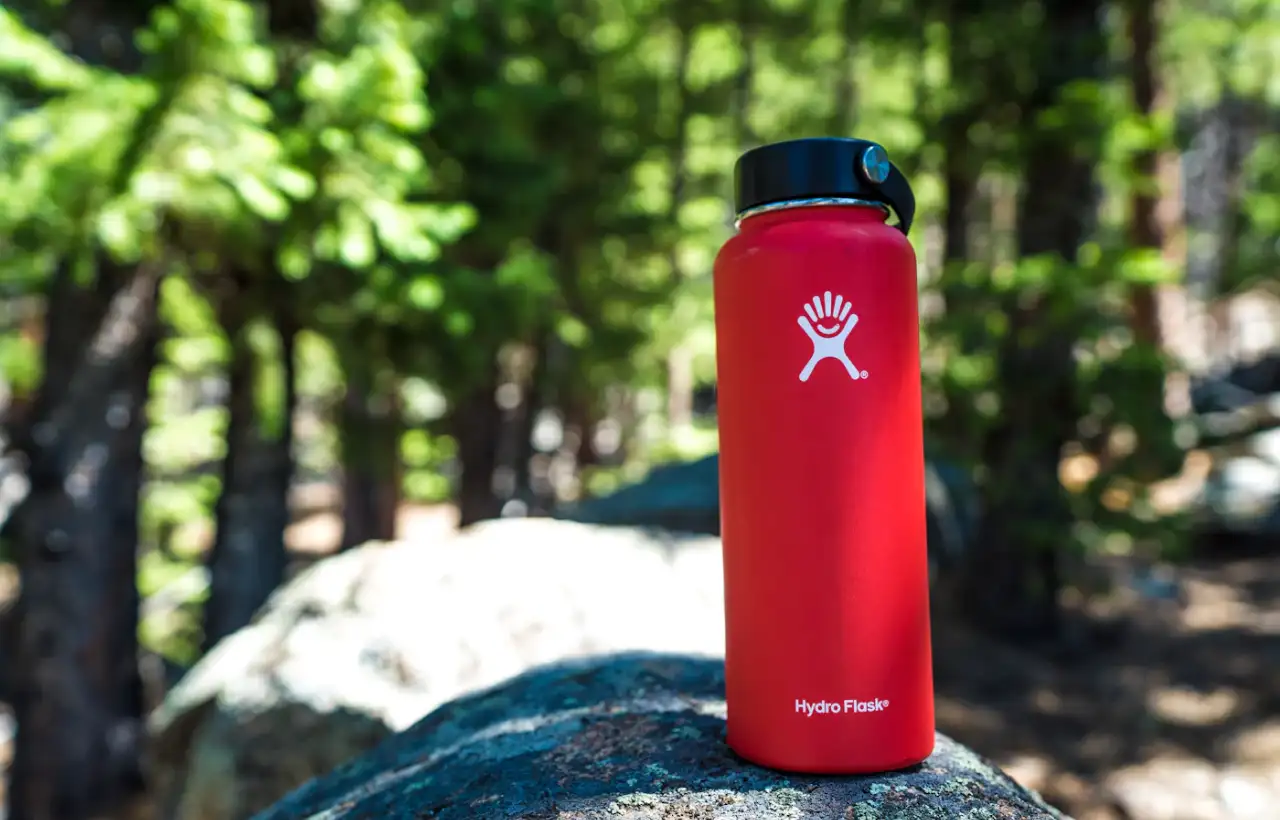
- Plan ahead and prepare. Pack binoculars, repellent, a water bottle and a field guide, and know your camp's rules on where you can explore.
- Travel and camp on durable surfaces. Stick to trails, roads and campsite pads so thornscrub and banks are not trampled.
- Dispose of waste properly. Pack out snack wrappers and use the trash and recycling provided. Food scraps attract ants, raccoons and other pests.
- Leave what you find. Leave feathers, nests, shells, seed pods and wildflowers where they are, and never collect protected animals.
- Minimize campfire impacts. Use established fire rings only when fires are permitted, and follow any burn bans.
- Respect wildlife. Watch from a distance, never feed animals, and store food securely.
- Be considerate of other visitors. Keep voices low near wildlife-viewing spots and share the best views.
For more about the camp itself, explore the camp map and facilities, browse the summer camp program overview, or see photos in the gallery. The plan your visit page covers directions and weather.
Frequently asked questions
What is the most common bird Scouts see at Camp Perry?
It varies by season and location, but Great Kiskadees, Green Jays, Great-tailed Grackles, White-tipped Doves and Plain Chachalacas are typical of Valley settings like the Arroyo Colorado. Early mornings are the best time to find them.
Can Scouts pick up a Texas tortoise or horned lizard?
No. Both are state-listed threatened species in Texas, and it is illegal to collect, keep or harm them. Observe and photograph from a respectful distance and leave them where you found them.
Are there venomous snakes at camp?
Venomous snakes, including the western diamondback rattlesnake and Texas coral snake, live in the Lower Rio Grande Valley, so Scouts should assume they could be present anywhere outdoors. Stay on trails, wear closed-toe shoes, use a light at night, never handle snakes, and report any snake to an adult.
Which merit badges connect to the wildlife at Camp Perry?
Bird Study, Nature, Reptile and Amphibian Study, Environmental Science, Insect Study, Plant Science, Forestry and Fish and Wildlife Management all connect naturally. Which badges are offered in a given session depends on the camp program, so check with the Rio Grande Council's Camp Perry page.
Conclusion
The banks of the Arroyo Colorado offer something most Scout camps cannot: birds found almost nowhere else in the country, rare reptiles and a native plant community that has survived nearly a century of change around it. Slow down, get up early, carry binoculars and follow the look-don't-touch rule, and a week at Camp Perry can turn into a lifelong interest in the natural world. To learn more about the camp's long story, read our Camp Perry history article.
Volunteer writers and Camp Perry alumni. We base our guides on published council materials and reputable public sources — always confirm current camp rules with your unit and the Rio Grande Council. Suggest a correction.