For many Scouts, the pool and waterfront are the highlight of a week at camp. They are also the places where Scouting's safety rules are most carefully applied. This guide explains Safe Swim Defense, the eight-point plan that governs every Scouting swim; Safety Afloat, its companion for canoes, kayaks and other boats; and the swim test that sorts Scouts into swimmer, beginner and nonswimmer groups. Whether your Scout is a strong swimmer or nervous about deep water, knowing how the system works makes the first day at the waterfront much less stressful for everyone.
Key takeaways
- Safe Swim Defense has eight points: qualified supervision, personal health review, safe area, response personnel, lookout, ability groups, buddy system and discipline.
- Scouts take a swim classification test and are placed in swimmer, beginner or nonswimmer groups. Each group swims only in its own marked area.
- The swimmer test is 75 yards of strong strokes plus 25 yards of easy backstroke in one continuous swim, followed by a float.
- Safety Afloat covers boating. Everyone on the water wears a properly fitted, U.S. Coast Guard-approved life jacket.
- When thunder roars, go indoors. Water activities stop at the first thunder or lightning and resume only 30 minutes after the last thunder.
- Families can help most by getting a Scout comfortable in deep water and practicing the test strokes before camp.
Why Scouting has its own water safety rules
Drowning is often silent and fast, and it can happen even in supervised settings when attention slips. Rather than depending on any single safeguard, Safe Swim Defense and Safety Afloat layer several protections on top of one another: trained adults, health screening, defined areas, rescuers, a lookout, skill testing, buddies and clear rules. If one layer fails, the others are still there.
These policies are published by Scouting America (formerly the Boy Scouts of America) and apply to Scouting activities everywhere, from a unit swim at a hotel pool to a summer camp waterfront. The official training and current wording are available through Scouting America's health and safety resources. This article summarizes them in plain language; the official documents always take priority.
The eight points of Safe Swim Defense
1. Qualified supervision
Every swim is supervised by a mature, conscientious adult, age 21 or older, who has completed Safe Swim Defense training, understands the plan and commits to following it. At a summer camp, trained aquatics staff run the pool and waterfront, but unit leaders still share responsibility for their own Scouts.
2. Personal health review
Everyone who swims provides a complete health history, and leaders review it for conditions that could matter in the water, such as seizure disorders, heart conditions, diabetes, asthma or recent illness. For camp, this information comes from the Annual Health and Medical Record. Parents should be honest and complete; the goal is to adjust supervision, not to exclude anyone.
3. Safe area
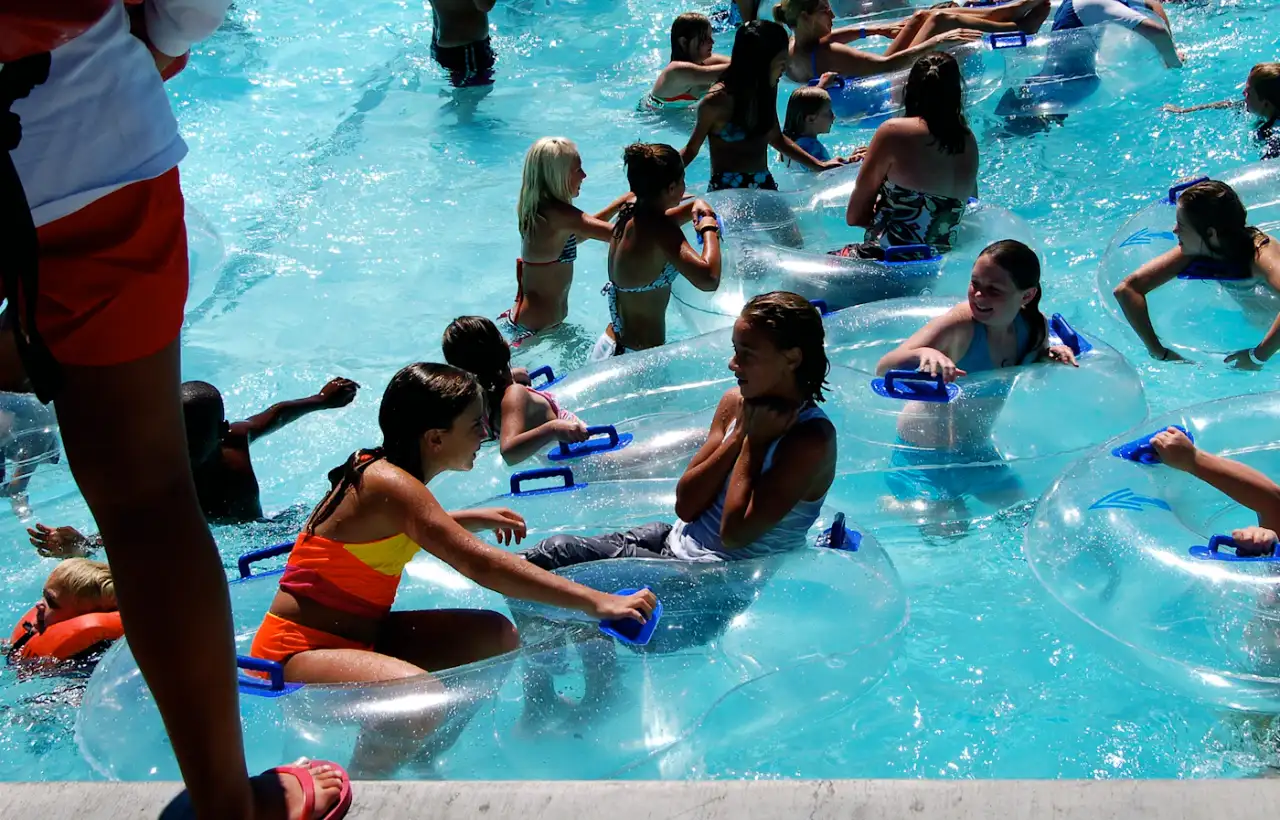
The swimming area is checked for depth, hazards and bottom conditions, and it is divided into three zones marked by lines or buoys: a nonswimmer area no deeper than about 3.5 feet, a beginner area from about shoulder depth to just over the head, and a swimmer area for deeper water. Natural water such as a river or lake requires extra checks for current, visibility and underwater obstacles.
4. Response personnel (lifeguards)
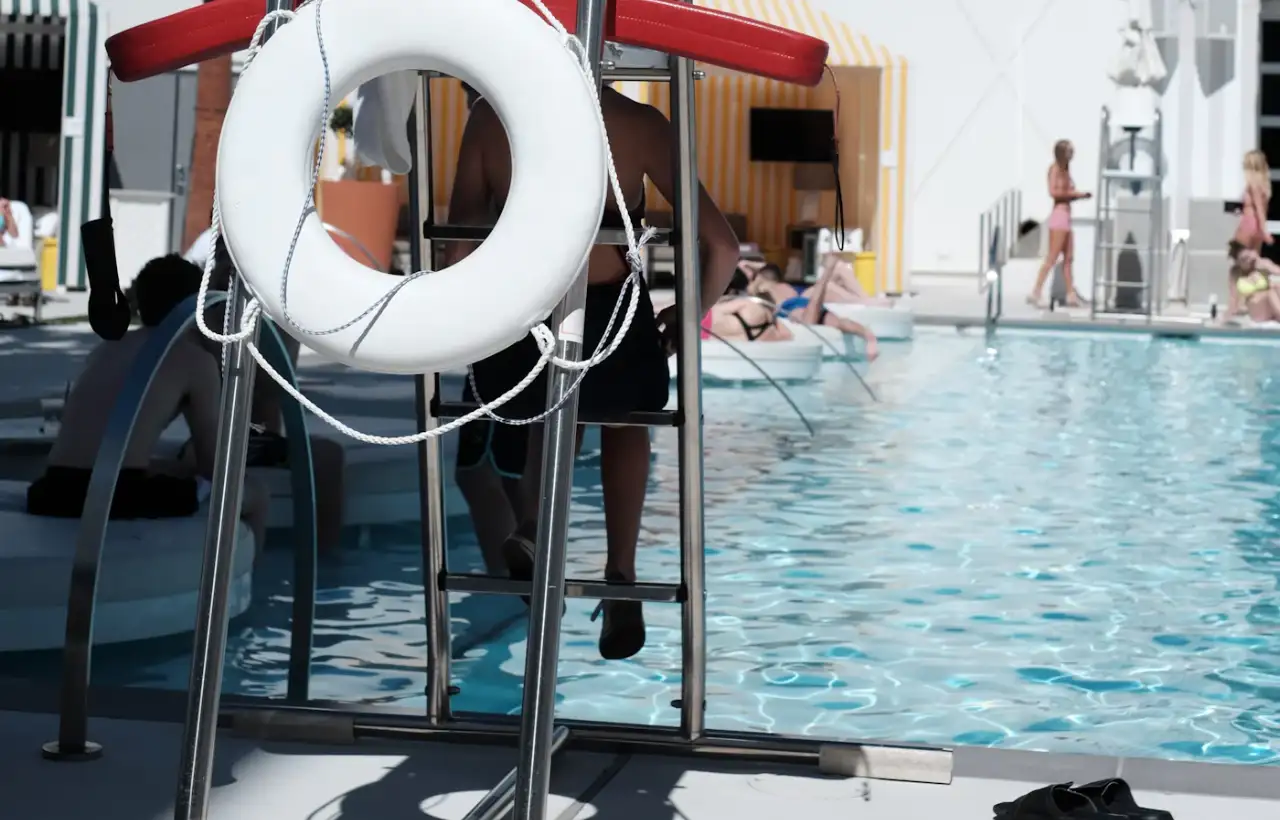
Trained rescuers are stationed and ready to respond at all times. Where professional lifeguards are not provided, the plan calls for trained rescue personnel, generally at least one for every ten participants, equipped with reaching and throwing devices such as poles and ring buoys.
5. Lookout
A lookout watches the entire swim from a position with a clear view of all areas. Their job is to spot anyone in trouble, notice rule breaks and alert the rescuers. The lookout does not swim and does not get distracted by other tasks.
6. Ability groups
Swimmers are grouped by tested ability, and each group stays in its own area. Nonswimmers stay in shallow water, beginners in the beginner zone and only classified swimmers in deep water. This is why the swim test matters so much.
7. Buddy system
Every Scout swims with a buddy of the same ability group. Buddies check in and out of the water together, usually using a buddy board or tag system that shows who is in which area. During a buddy check, the lifeguard signals (often with a whistle), and buddies immediately grab hands, raise them and stay quiet while staff count pairs and compare the count to the board. Checks happen frequently, commonly every ten minutes.
8. Discipline
Rules are explained before the swim and everyone agrees to follow them. That includes no running on the deck, no diving except where depth is confirmed and permitted, entering only designated areas, and responding instantly to whistles and instructions. Discipline is what makes the other seven points work.
The swim test explained
At most Scout camps, the swim classification test (often called the "swim check") happens early in the week, often on the first day. The result determines which areas a Scout can use for swimming and which boating activities they can join. Classifications are generally renewed annually, so even a Scout who passed last summer is typically retested.
The swimmer test
To be classified as a swimmer, a Scout must:
- Jump feetfirst into water over the head.
- Swim 75 yards in a strong manner using one or more of the following strokes: sidestroke, breaststroke, trudgen or crawl.
- Then swim 25 yards using an easy, resting backstroke.
- Complete the 100 yards in one swim without stops, including at least one sharp turn.
- After completing the swim, rest by floating.
Dog-paddle and breaking the swim to grab the wall or a lane line do not count. Practice ahead of time helps; 100 continuous yards feels long.
The beginner test
To be classified as a beginner, a Scout must jump feetfirst into water over the head, level off and swim 25 feet on the surface, then stop, turn sharply, resume swimming and return to the starting place.
Nonswimmers
Anyone who has not completed the beginner or swimmer test is classified as a nonswimmer and uses the shallow nonswimmer area. This is not a failure, just a safe starting point; many camps offer instruction to help Scouts move up.
What each classification usually means at camp
Swimmers can use all swimming areas and generally have the widest access to boating. Beginners use the beginner and nonswimmer areas and may have limits on which boats they can use and with whom. Nonswimmers stay in the shallow area and, if boating is allowed, do so only under specific conditions set by Safety Afloat and the camp's aquatics director. Ask the aquatics staff exactly what applies at your session.
Safety Afloat: canoes, kayaks and other boats
Safety Afloat is the boating companion to Safe Swim Defense. It applies to canoes, kayaks, rowboats, sailboats, rafts, paddleboards and other craft. Its core ideas include:
- Qualified supervision: A trained, responsible adult oversees the activity and knows the plan.
- Personal health review: The same health screening as for swimming.
- Swimming ability: Operating a boat is generally limited to classified swimmers. Those not classified as swimmers may participate only under restricted conditions, such as with a skilled adult swimmer as a buddy in calm water.
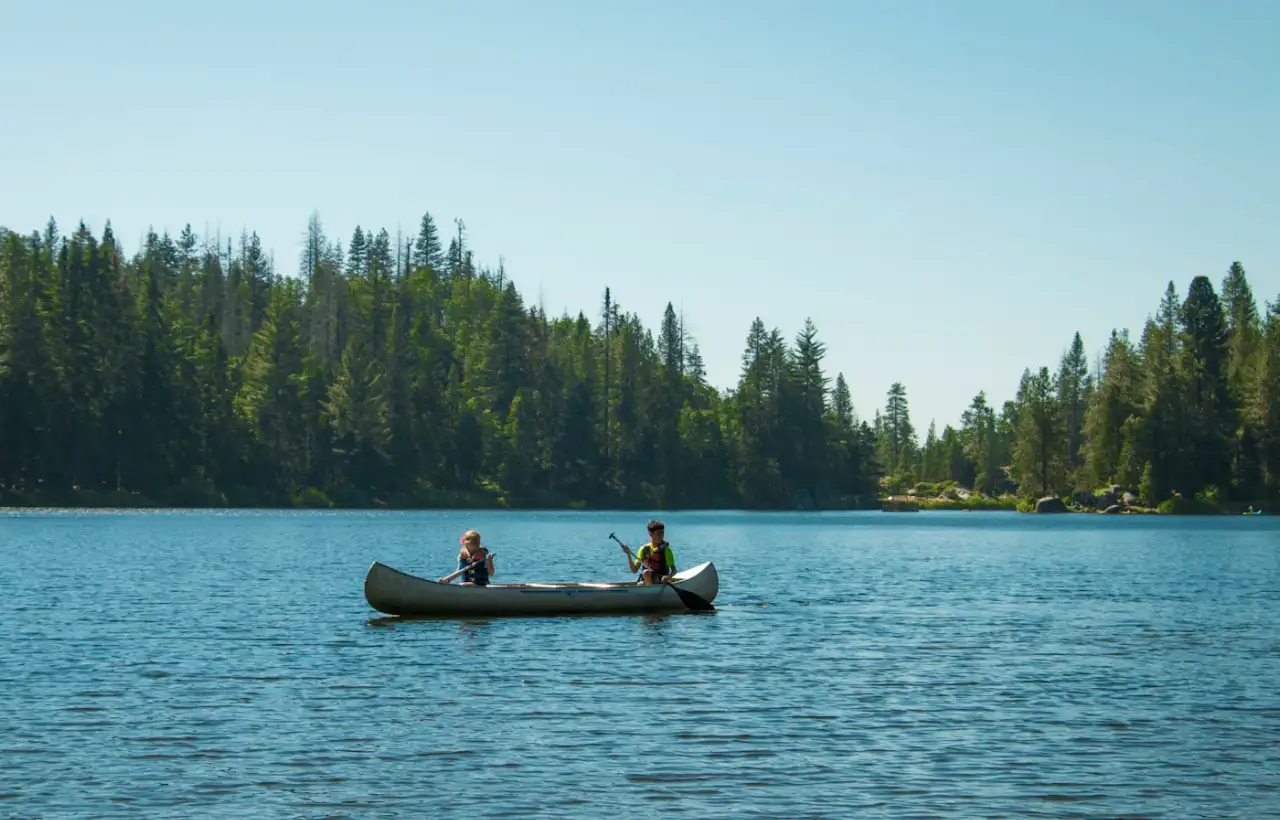
- Life jackets: Everyone wears a properly sized, fastened, U.S. Coast Guard-approved life jacket suited to the activity. Not stashed in the boat, not unbuckled, worn.
- Buddy system: Boats and paddlers are paired or grouped so nobody is alone on the water.
- Skill proficiency: Participants are taught basic strokes, how to get in and out safely, how their movement affects stability and what to do if a boat tips.
- Planning: Know the route, the water conditions, the weather and what to do in an emergency.
- Equipment: Boats, paddles and safety gear are appropriate and in good condition.
- Discipline: Everyone knows and follows the rules and instructions.
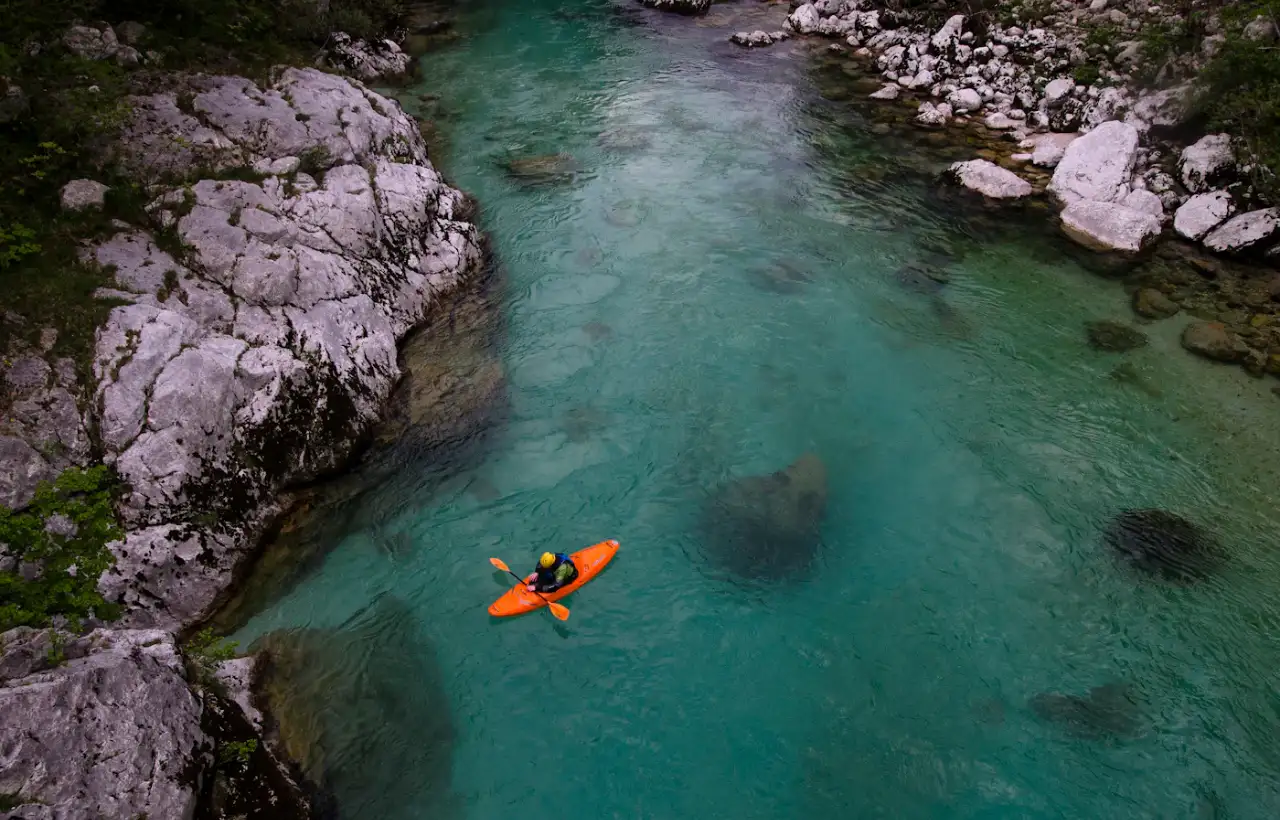
Moving water such as a river channel adds challenges that a pool does not have, including current, wind, changing depth and limited visibility. That is why boating on natural water is taught and supervised by trained staff and why life jackets are non-negotiable.
Weather and lightning rules
Lower Rio Grande Valley summers bring heat, humidity and sudden afternoon thunderstorms. Water is one of the worst places to be when lightning is nearby, so aquatics programs follow strict weather rules:
- When thunder roars, go indoors. This National Weather Service slogan is the basic rule. If you can hear thunder, you are close enough to be struck. See weather.gov lightning safety.
- Clear the water immediately. At the first sign of thunder or lightning, everyone gets out of the pool or off the waterfront and moves to a safe shelter.
- Wait 30 minutes. Activities resume only after 30 minutes have passed without thunder. Each new rumble restarts the clock.
- Watch for heat and sun. Swimming feels cool, but Scouts still sunburn and dehydrate. Reapply water-resistant sunscreen and drink water between sessions. Our heat safety guide covers this in detail.
Never swim or boat outside of a supervised activity
At camp, the pool, docks and riverbank are off-limits except during scheduled, staffed activities. Scouts should never enter the water alone, on a dare or after hours, no matter how strong a swimmer they are.
The waterfront at Camp Perry
According to the Rio Grande Council's Camp Perry page, the camp's aquatics facilities include a swimming pool, aquatics docks with canoes and kayaks on the Arroyo Colorado, and a fishing dock. The council also lists canoes and kayaks among its activity add-ons for groups and notes that water activities require at least one adult with BSA Lifeguard, Safe Swim Defense and Safety Afloat training. Waterfront improvements and a new pool or pool house remodel were part of the 2016 "Adelante Con Camp Perry!" campaign plans.
Program details, sessions and group requirements can change, so confirm current information directly with the council. You can also read our overview of the aquatics program and see where the pool and docks sit on the camp map and facilities page.
How families can prepare a Scout for the swim check
The most common reason a capable young swimmer does not pass the swimmer test is not strength. It is unfamiliarity with deep water and continuous distance. A few weeks of practice before camp can make a big difference:
- Swim in deep water. Practice in the deep end, not just where feet can touch. Jumping feetfirst into water over the head and calmly leveling off is a skill of its own.
- Build continuous distance. Work up to 100 yards without stopping. Many pools are 25 yards long, so that is four lengths with turns and no wall grabs.
- Practice the right strokes. Front crawl, breaststroke or sidestroke for the first 75 yards and an easy elementary or resting backstroke for the last 25.
- Learn to float. A relaxed back float is part of the test and is also a valuable survival skill.
- Consider lessons. Community pools, YMCAs and the American Red Cross learn-to-swim programs are good options if a Scout needs coaching.
- Talk about it positively. Let your Scout know that any classification is fine and that staying in a safer area is smart, not embarrassing.
- Complete the health form fully. Include conditions like seizures, ear tubes or asthma so leaders can plan appropriately.
Pack a swimsuit, towel, water shoes if allowed, and water-resistant sunscreen. Our summer camp packing list covers the rest, and the first-time camper parent guide walks through the whole week.
Aquatics merit badges
Camp waterfronts are where many Scouts earn aquatics merit badges such as Swimming, Lifesaving, Canoeing and Kayaking. Swimming is one of three choices (with Hiking and Cycling) in an Eagle-required group, and Lifesaving can be chosen in place of Emergency Preparedness. Each badge has its own swimming requirements, so a Scout who hopes to work on them should aim to pass the swimmer test. Check the current camp program for what is offered.
Test your water safety knowledge
Think you have it down? Try this short quiz with your Scout before camp.
Frequently asked questions
What happens if my Scout does not pass the swimmer test?
They are classified as a beginner or nonswimmer and swim in the matching area. They can still enjoy the water safely, and many camps offer instruction during the week. Scouts can often retest when staff agree they are ready.
Does my Scout need to retake the swim test every year?
Swim classifications are generally renewed annually, so expect a retest at the start of each camp season. Some units arrange a swim check before camp with qualified staff; ask the council whether an earlier test will be accepted.
Do Scouts wear life jackets in canoes and kayaks?
Yes. Under Safety Afloat, everyone on the water wears a properly sized, fastened, U.S. Coast Guard-approved life jacket appropriate to the activity.
What is the lightning rule at the pool and waterfront?
Everyone leaves the water at the first thunder or lightning and heads to safe shelter. Activities resume only after 30 minutes with no thunder.
What training do adult leaders need for water activities?
Adults supervising Scouting swims and boating complete Safe Swim Defense and Safety Afloat training, available through Scouting America. For group use of Camp Perry's water activities, the council lists a requirement for at least one adult with BSA Lifeguard, Safe Swim Defense and Safety Afloat training.
Can nonswimmers go canoeing?
Only under restricted conditions defined by Safety Afloat, typically in calm water with a skilled adult swimmer as a buddy, and always at the discretion of the aquatics staff. Ask what applies at your session.
Conclusion
Safe Swim Defense and Safety Afloat can sound like a lot of rules, but in practice they add up to a simple promise: trained people are watching, everyone swims where they are capable, nobody is ever alone in the water, and the whistle means stop. Help your Scout get comfortable in deep water, fill out the health form carefully, and review the lightning rule together. Then let them enjoy one of the best parts of summer camp. Have more questions? Visit our FAQ or contact our editorial team.

Volunteer writers and Camp Perry alumni. We base our guides on published council materials and reputable public sources — always confirm current camp rules with your unit and the Rio Grande Council. Suggest a correction.