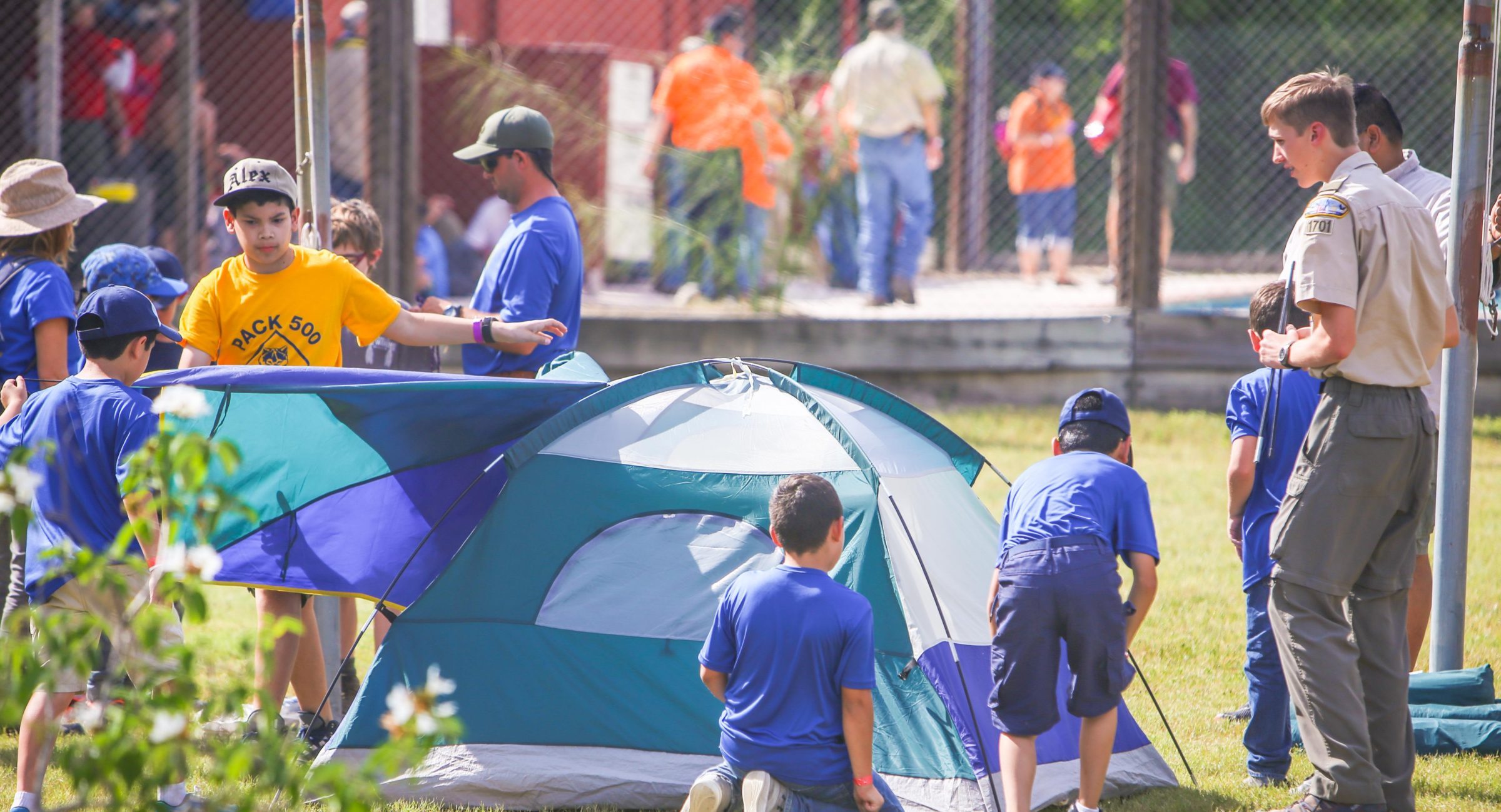
A week of summer camp in the Lower Rio Grande Valley is hot, humid, buggy, wet and wonderful, often all in the same afternoon. That is why a generic list downloaded from the internet rarely works here. This summer camp packing list is built specifically for South Texas Scouts heading to a resident camp like Camp Perry on the Arroyo Colorado, where typical summer highs sit in the mid-to-upper 90s °F and the heat index frequently climbs past 100 to 110 °F.
Key takeaways
- Pack for heat first: lightweight, moisture-wicking clothing, a wide-brimmed hat, and at least two refillable water bottles.
- The council lists canvas tents with cots at Camp Perry, so bring bedding that fits a cot, and something light enough for warm nights.
- Insect repellent and SPF 30+ sunscreen are non-negotiable in the Rio Grande Valley.
- Pack in a duffel or footlocker, organize with labeled zip bags, and label every item with the Scout's name and unit number.
- Leave valuables, fireworks, personal firearms, alcohol, tobacco and vapes, and food for tents at home. Always confirm current rules with your unit leader and the council.
Why South Texas camp packing is different
Most camping advice assumes cool nights and layers. In the Rio Grande Valley in summer, the challenge is staying cool, dry and protected. Three local conditions shape every packing decision.
Heat and humidity
High humidity means sweat evaporates slowly, so cotton stays soaked for hours. Quick-dry clothing and plenty of dry socks help prevent chafing, blisters and heat rash. For a deeper look at staying safe, see our heat safety guide for Rio Grande Valley Scouts.
Bugs
A riverside camp in a subtropical climate supports mosquitoes, chiggers and fire ants. Repellent, long lightweight pants for evenings, and closed-toe shoes are your best defenses.
Sudden storms
Summer afternoons in South Texas can bring brief, heavy thunderstorms. A poncho or light rain jacket and a way to keep bedding dry inside the tent are worth their weight.
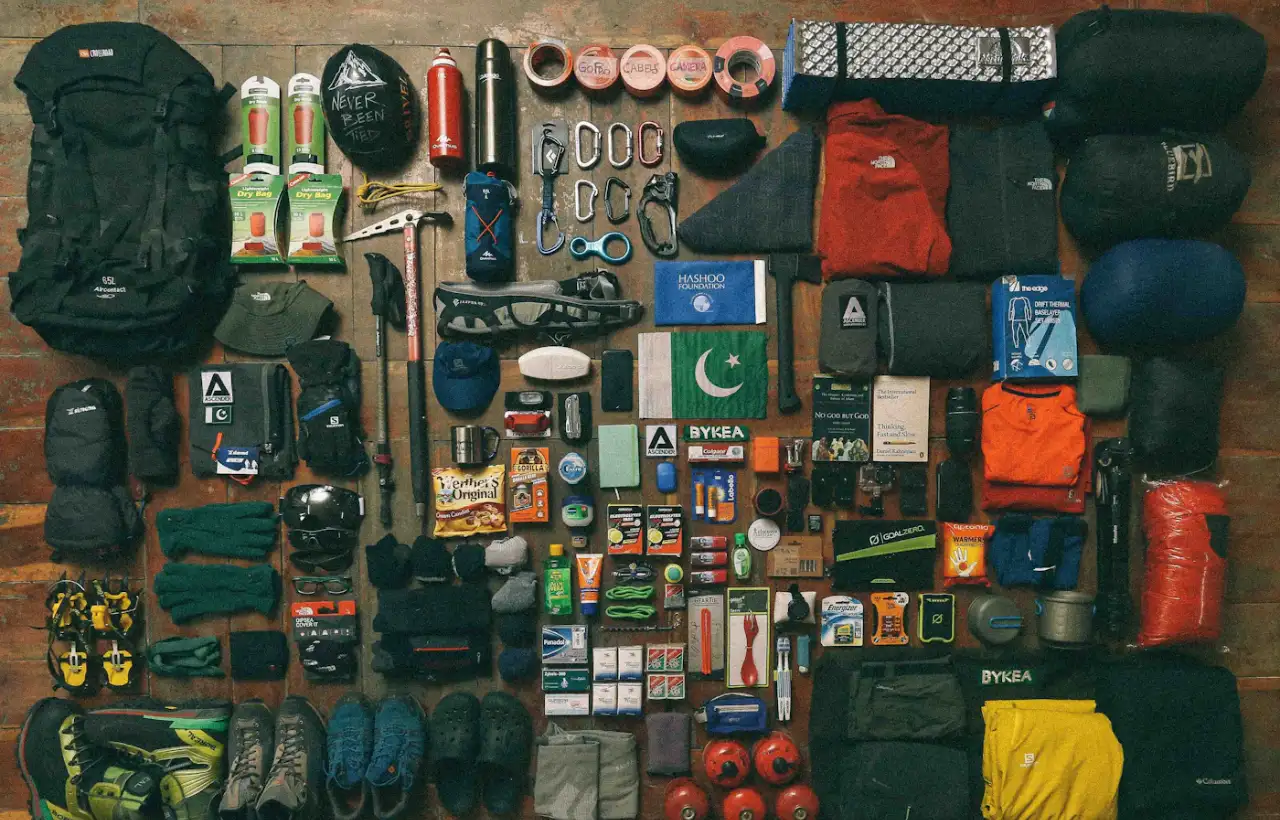
Interactive packing checklist
Use the checklist below to tick items off as they go into the bag. It follows the same categories as this guide.
Clothing for heat and humidity
Plan on one set of clothes per day plus a spare or two. Check your unit's uniform expectations with your Scoutmaster.
- Field uniform ("Class A"). Many units wear it for flag ceremonies, evening meals or campfires. One shirt is usually enough, plus unit neckwear if used.
- Activity T-shirts ("Class B"), 5 to 7. Moisture-wicking synthetic shirts dry far faster than cotton in humid air. Light colors reflect sun.
- Shorts, 4 to 5 pairs. Quick-dry fabric is best; Scout uniform shorts or athletic shorts both work.
- Lightweight long pants, 1 to 2 pairs. For mosquito-heavy evenings, brushy hikes and program areas that require them.
- Socks, 8 to 10 pairs. Synthetic or wool-blend hiking socks resist blisters better than cotton. Extra socks are the single most common thing Scouts wish they had packed.
- Underwear, 8 to 10. Moisture-wicking underwear helps prevent chafing in the humidity.
- Wide-brimmed hat or cap. A wide brim protects the neck and ears better than a baseball cap.
- Light long-sleeve sun shirt. A loose, light-colored UPF shirt can be cooler than bare skin in direct sun.
- Sleepwear. Light shorts and a T-shirt set aside only for sleeping stay dry and clean.
- Rain poncho or packable rain jacket.
Footwear
- Closed-toe shoes or hiking shoes (2 pairs if possible). Expected at most program areas, especially shooting sports. A second pair can dry while the first is worn.
- Water shoes or sandals with a back strap. For the waterfront and pool areas when allowed.
- Shower shoes. Inexpensive flip-flops for shower houses only.
The "two bag" trick for wet clothes
Pack a mesh laundry bag for dirty-but-dry clothes and a separate large plastic or dry bag for wet swimsuits and towels. Mixing them leads to mildew by midweek in South Texas humidity.
Sleeping gear
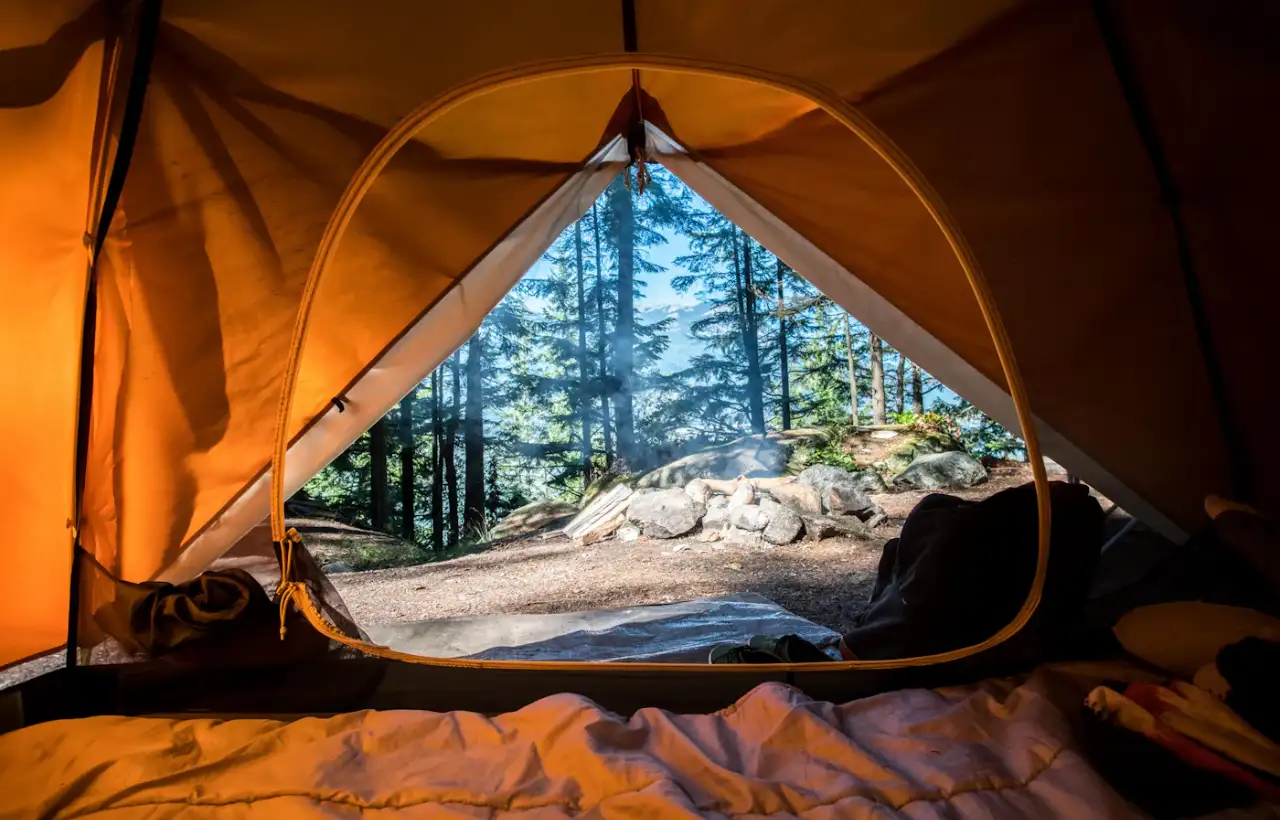
The council lists canvas tents with cots, as well as cabins, among Camp Perry's accommodations. Confirm with your unit which your troop will use. For a cot in a canvas tent in summer, pack for warm nights rather than cold ones.
- Lightweight sleeping bag (rated around 50 °F or warmer) or a set of twin sheets plus a light blanket. Many Valley campers prefer a fitted sheet and a thin blanket because a heavy bag is simply too warm.
- Pillow. A camp or small bed pillow with a spare pillowcase.
- Thin foam pad or cot pad (optional). Adds comfort and keeps the bag off the canvas cot.
- Headlamp or flashlight with extra batteries. Headlamps keep both hands free for late trips to the latrine.
- Small battery-operated fan (optional). Popular in South Texas; check unit guidance and bring spare batteries.
- Large trash bag. Line the duffel or cover bedding if a storm blows rain into the tent.
Toiletries and personal care
Keep toiletries in one clear zip bag or hanging kit.
- Toothbrush, toothpaste and floss
- Biodegradable soap and shampoo in small bottles
- Deodorant
- Comb or brush; hair ties for long hair
- Two towels: one for showers, one for swimming (quick-dry towels are ideal)
- Washcloth
- Lip balm with SPF
- Anti-chafe balm or powder (very helpful in humidity)
- Small personal first-aid items: adhesive bandages, moleskin for blisters
- Menstrual products if needed
- Prescription glasses or contacts, with a case and a strap for glasses
Medications
Prescription and over-the-counter medications should be packed in their original labeled containers and handled according to your unit's and the camp's procedures, which typically means turning them in to a designated adult or camp health officer at check-in. Every camper needs a current Scouting America Annual Health and Medical Record, including the physical exam section for resident camps; confirm with your unit leader which parts are required and when forms are due.
Water, sun and bug protection
If you read only one section closely, make it this one.
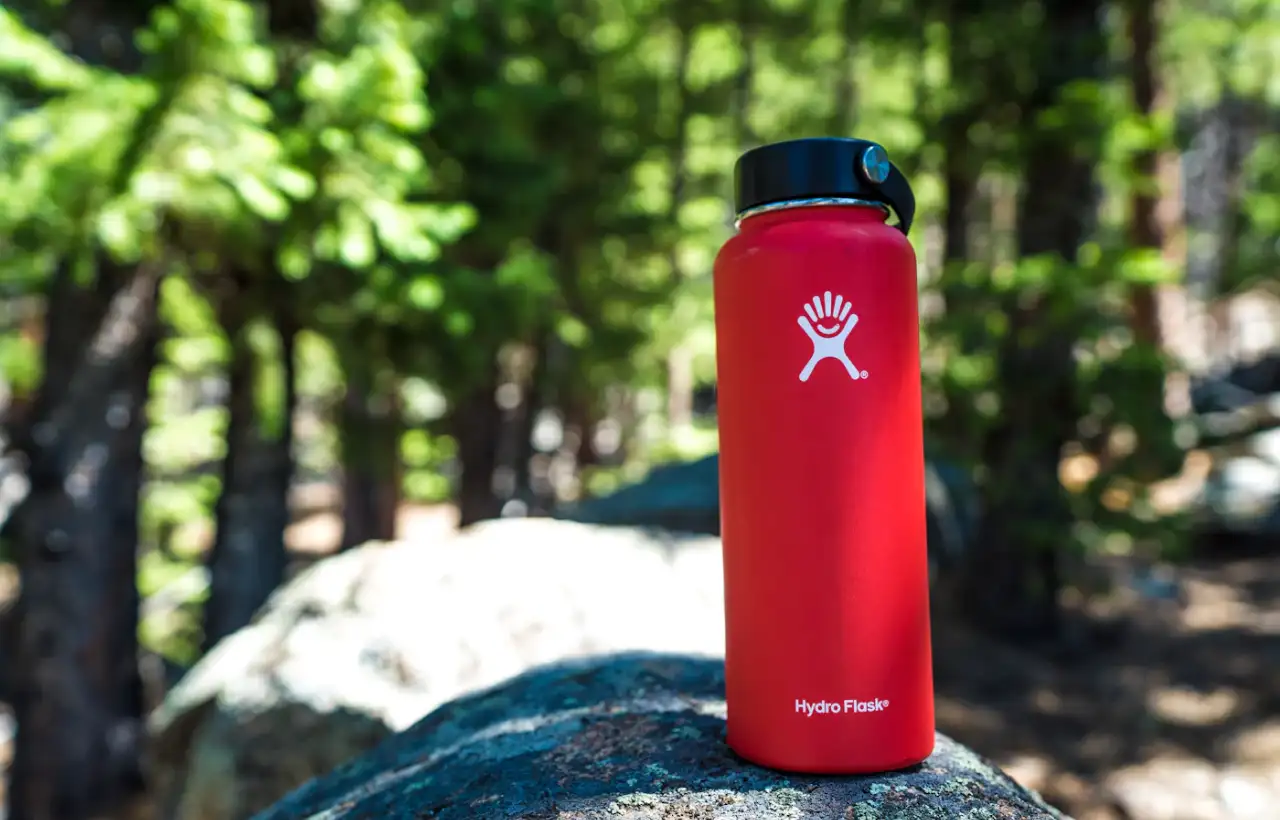
- Two refillable water bottles, at least 1 liter each. Label both. Insulated bottles keep water cool longer, which makes Scouts more likely to drink.
- Electrolyte packets or tablets (optional). Useful for long, sweaty activity days; check unit guidance.
- Sunscreen, broad-spectrum SPF 30 or higher. Water-resistant formulas are best for aquatics days. Pack enough for daily reapplication.
- Insect repellent. Products containing an EPA-registered active ingredient such as DEET or picaridin are widely recommended. Lotions or pump sprays are easier to control than aerosols around a tent.
- Sunglasses with a retainer strap.
- Cooling towel or bandana. Wet it and drape it around the neck during hot program periods.
Merit badge and program gear
Class needs depend on which merit badges a Scout signs up for; check any prerequisite list before camp and see our summer camp program page for an overview.
- Scout handbook for rank advancement work.
- Merit badge pamphlets or workbooks for chosen badges, and any completed prerequisite work.
- Merit badge documentation such as signed blue cards or whatever your unit uses; ask your unit advancement contact.
- Small notebook and two pens or pencils in a zip bag.
- Daypack to carry a water bottle, sunscreen, rain gear and class materials between program areas.
- Pocketknife only if the Scout has earned the Totin' Chip (or Whittling Chip for Cub Scouts) and your unit allows it.
- Compass if taking orienteering or map-related badges.
- Old clothes for messy handicraft or project classes.
- Fishing tackle only if the Scout is taking fishing-related programs; ask about any license questions ahead of time. Texas Parks and Wildlife has current fishing rules at tpwd.texas.gov.
Camp Perry's current offerings include archery, rifle and shotgun ranges, a BMX track, a STEM building and handicraft areas. Program-specific equipment like bows, firearms and bikes is typically provided at the range or program area, so Scouts should not bring their own. Read more on our shooting sports page.
Aquatics gear
Camp Perry has a swimming pool, aquatics docks with canoes and kayaks, and a fishing dock. Swim classification tests typically happen early in the week, so pack aquatics gear where it is easy to reach.
- Two swimsuits, so one can dry while the other is worn. Choose practical, athletic-style suits suitable for swimming laps and boating.
- Rash guard or swim shirt for sun protection in the water.
- Swim towel separate from the shower towel.
- Water shoes with a secure heel strap for docks and boating.
- Goggles (optional).
- Dry bag or waterproof pouch for glasses or small items during boating.
Personal flotation devices and boats are normally supplied by the camp's aquatics program. For more on how Scouting's water safety rules work, read our guide to Safe Swim Defense and water safety and see the aquatics program page.
What not to bring
Prohibited items are set by Scouting America's policies, the council and your unit, so review the Guide to Safe Scouting and your camp's leader guide. In general, leave these at home:
- Fireworks, lighter fluid and personal fuel
- Personal firearms, ammunition, bows or airsoft/paintball guns (program equipment is provided on supervised ranges)
- Alcohol, tobacco, vapes and illegal drugs
- Large sheath knives, axes or hatchets unless specifically approved by camp and unit leadership
- Food, candy and gum in tents. Snacks attract ants, raccoons and other wildlife; if your unit allows snacks, store them where leaders direct.
- Expensive electronics, jewelry and large amounts of cash. Follow unit rules on phones; a small amount of money for the trading post is usually enough.
- Glass containers, which break easily around cots and pools
- Pets
Check before you pack
Policies on phones, pocketknives, snacks and electronics vary from unit to unit and year to year. Your unit leader and the Rio Grande Council's official Camp Perry page are the authoritative sources. This site is an independent resource and does not set camp rules.
Labeling and packing tips
A few simple habits help every item come home.
Choose the right container
A soft duffel or a footlocker that fits under a cot is easier than a rigid rolling suitcase on sandy, uneven ground. Ask your unit what size fits in the tent or trailer.
Label everything
Use a permanent marker or iron-on labels for the Scout's first and last name and unit number on clothing tags, towels, water bottles, shoes, the flashlight and the bag itself.
Pack by category in zip bags
Put each day's outfit, or each category (socks, underwear, swim gear), in a labeled gallon zip bag. It keeps clothes dry during storms and makes it easy to find things in a dim tent.
Keep day-one items on top
Swimsuit, towel, water bottle, sunscreen and the medical form copy should be easiest to reach, since swim checks and check-in happen early.
Printable packing summary
Use this table as a quick reference or print it for your troop. Quantities assume a typical six-night session; adjust for shorter programs such as Cub Adventure Weekends (see Cub Scout adventures).
| Category | Items | Suggested quantity |
|---|---|---|
| Uniform | Field uniform shirt, unit neckwear, Scout belt | 1 each |
| Clothing | Moisture-wicking T-shirts, quick-dry shorts, light long pants, sleepwear | 5–7 shirts, 4–5 shorts, 1–2 pants, 1 set sleepwear |
| Socks & underwear | Synthetic or wool-blend socks, moisture-wicking underwear | 8–10 each |
| Footwear | Closed-toe shoes, water shoes, shower shoes | 2 pairs closed-toe, 1 each other |
| Rain & sun | Poncho, wide-brimmed hat, sun shirt, sunglasses | 1 each |
| Sleeping | Light sleeping bag or sheets and blanket, pillow, cot pad, headlamp and batteries | 1 set |
| Toiletries | Toothbrush, toothpaste, soap, shampoo, deodorant, lip balm, anti-chafe product | 1 kit |
| Towels | Shower towel, swim towel, washcloth | 1 each |
| Hydration | Labeled refillable water bottles, optional electrolytes | 2 bottles |
| Protection | SPF 30+ sunscreen, insect repellent, cooling towel | 1 each (full size) |
| Aquatics | Swimsuits, rash guard, goggles, dry pouch | 2 swimsuits, 1 each other |
| Program | Scout handbook, merit badge materials, notebook, pens, daypack | As needed |
| Paperwork | Annual Health and Medical Record, medications in original containers | Per unit instructions |
| Extras | Laundry bag, wet bag, trash bags, small amount of trading post money | 1–2 each |
Pre-departure checklist
A few days before camp, and again the night before, walk through these final checks.
- Health and medical forms are complete, signed and submitted as your unit directs, with copies kept by the family.
- Medications are in original containers, labeled, with written instructions ready for the unit or camp health officer.
- Merit badge prerequisites are finished and any required paperwork is packed.
- Every item is labeled with name and unit number.
- Water bottles are clean and the Scout has been drinking extra water in the days before camp.
- Prohibited items have been removed from the bag and pockets.
- Departure time, meeting location and the unit's emergency contact plan are confirmed with the Scoutmaster.
- The Scout can carry their own bag and knows where things are packed.
For directions, weather and more on arriving at camp, see our plan your visit page. First-time families will also find our first-time camper parent guide helpful.
Frequently asked questions
Should my Scout bring a sleeping bag or sheets?
Either can work. Summer nights in the Rio Grande Valley are warm, so many campers prefer twin sheets and a light blanket, or a lightweight sleeping bag rated around 50 °F or warmer, on the cots provided in canvas tents.
What kind of bug spray is best for Camp Perry?
Repellents with an EPA-registered active ingredient such as DEET or picaridin are widely recommended for mosquitoes and chiggers. Pair repellent with light long pants in the evening and closed-toe shoes to avoid fire ants.
Can Scouts bring cell phones to summer camp?
Phone policies are set by each unit and by the camp. Ask your Scoutmaster before camp; many troops limit phone use to specific times or ask Scouts to leave them home.
Can Scouts bring pocketknives?
Generally only if the Scout has earned the Totin' Chip (or Whittling Chip for Cub Scouts) and the unit allows it. Large sheath knives are usually discouraged or not allowed. Check your unit and camp rules.
Where do I find the official required items list?
The Rio Grande Council publishes official camp information. Start with the council's Camp Perry page and your unit leader, and use our contact page if you spot anything on this list that needs updating.
Conclusion
Packing for summer camp in South Texas comes down to a few priorities: stay cool, stay hydrated, stay protected from sun and bugs, and keep gear dry and labeled. Build the bag around quick-dry clothing, plenty of socks, two water bottles, sunscreen and repellent, add the gear your Scout's programs require, confirm the details with your unit leader, and your Scout will be ready for a great week on the Arroyo Colorado.
Volunteer writers and Camp Perry alumni. We base our guides on published council materials and reputable public sources — always confirm current camp rules with your unit and the Rio Grande Council. Suggest a correction.