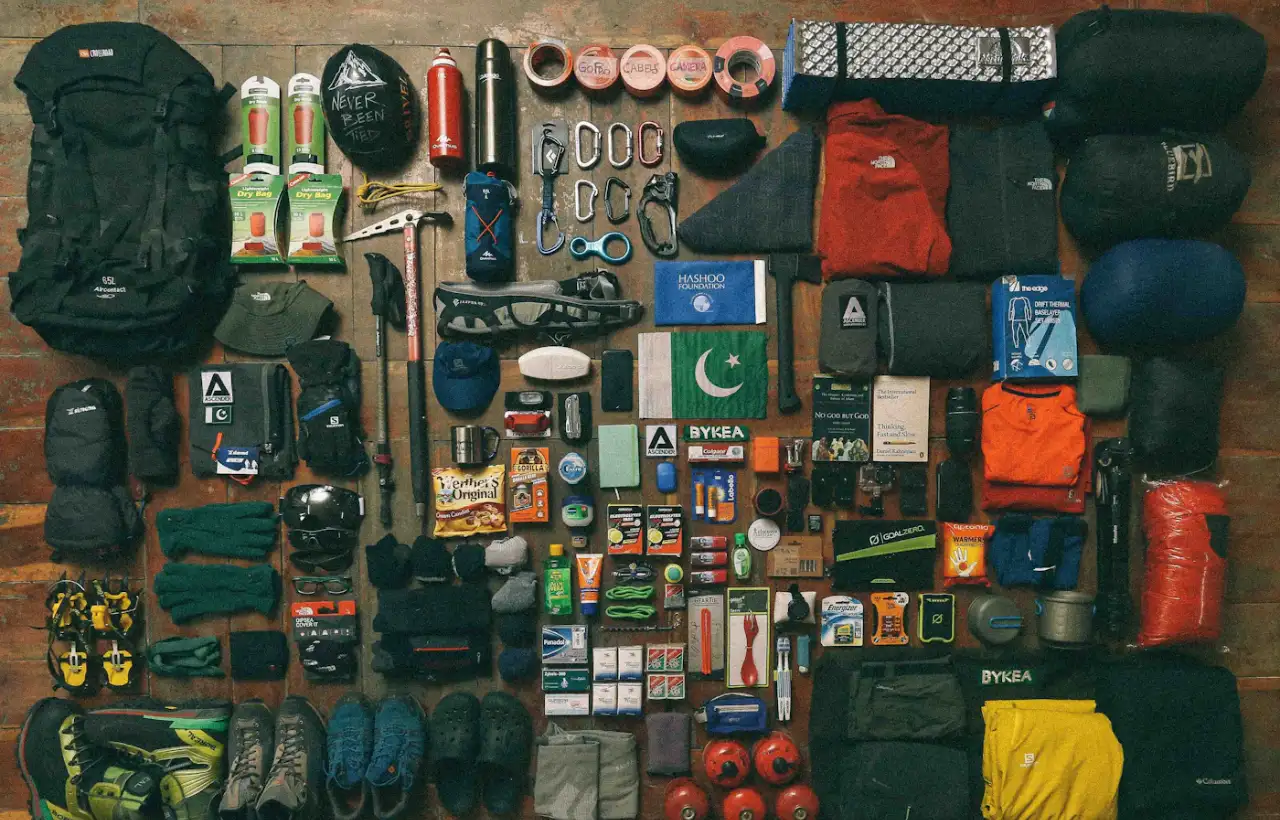
Sending a child to summer camp for the first time is a big step for the whole family. For many Scouts, it is their first extended time away from home, and for parents it can bring a mix of excitement and worry. This guide walks you through everything you need to prepare your Scout for summer camp at Camp Perry or any Scout camp: a preparation timeline, health forms, medications, homesickness, communication, spending money, what a typical day looks like, how youth protection works and what to expect when you pick up a tired, happy camper at the end of the week.
Key takeaways
- Start about eight weeks out: schedule a physical, confirm registration with your unit and begin the Annual Health and Medical Record.
- Summer camp runs longer than 72 hours, so Parts A, B and C of the health form are required, and Part C needs a physical exam by a licensed provider.
- Send medications in original, labeled pharmacy containers and follow the camp's and unit's medication procedures.
- Homesickness is normal. Prepare your Scout, but avoid promising to pick them up early if they feel sad.
- Scouting's youth protection policies, including two-deep leadership and required Safeguarding Youth training, apply at every activity.
- If cost is a barrier, ask your unit and the council about camperships and financial help. Do not assume your Scout cannot go.
How Scout summer camp works
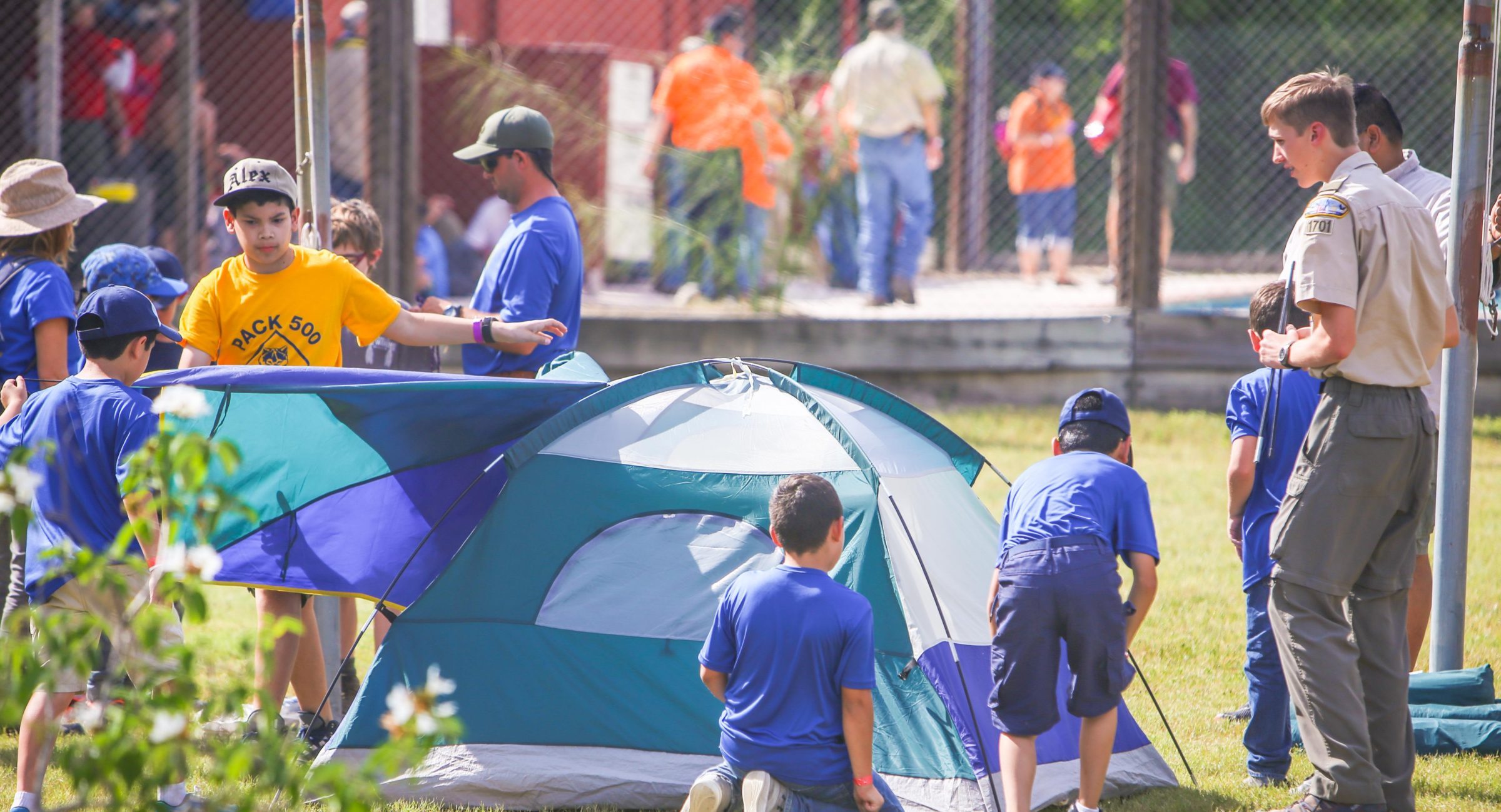
In Scouts BSA, Scouts usually attend summer camp with their own troop rather than on their own. The troop reserves a campsite, brings its adult leaders and travels together. During the day, Scouts spread out to merit badge classes and activities, then return to their troop site for meals, meetings and free time depending on how the camp is organized. Younger Cub Scouts typically attend shorter family programs with a parent or guardian; Camp Perry's listed programs include a Cub Summer Family Adventure and Cub Adventure Weekends.
That means your unit leaders are your main point of contact before and during camp. Registration, fees and session dates are handled through your unit and the official council; for Camp Perry, that is the Rio Grande Council. This site is an independent community resource, so always confirm details with your unit and the council. For an overview of the program, see our summer camp program page.
Your preparation timeline
Use this timeline as a checklist. Your unit may have its own deadlines, so follow those where they differ.
8 weeks before camp
Confirm your Scout's registration and payment schedule with the unit. Schedule a physical exam for Part C of the health form if your Scout does not have a current one. Download the Annual Health and Medical Record and start Parts A and B. Ask about camperships or unit financial help if you need it. If your Scout will want to work on specific merit badges, review the camp's offerings with them and the Scoutmaster.
4 weeks before camp
Complete and sign all health form parts and make copies. Refill any prescriptions so you have enough for the week plus extra. Attend or ask about the unit's parent meeting. Start gathering gear with the summer camp packing list. If your Scout is not a confident swimmer, schedule some deep-water practice before the camp swim check. Break in new shoes.
1 week before camp
Turn in forms by your unit's deadline. Label every item of clothing and gear with your Scout's name. Do a trial pack together so your Scout knows where everything is. Write a few short, upbeat letters or notes to send or tuck into the bag. Review heat safety and hydration habits with our heat safety guide.
The day before
Finish packing and weigh the bag with your Scout carrying it. Put medications in a labeled bag for the leader or camp health officer. Charge any approved devices. Pack a water bottle and confirm travel plans and meeting time. Keep the evening calm and aim for a good night's sleep.
Drop-off day
Arrive on time with forms, medications and gear. Hand medications directly to the responsible adult. Keep goodbyes warm, confident and brief. A quick hug beats a long, emotional farewell.
Health and medical forms
Scouting America uses a standard form called the Annual Health and Medical Record (AHMR). It has several parts, and which ones you need depends on the length and type of the activity:
- Part A: Informed consent, release agreement and authorization to treat, plus emergency contact information. Signed by a parent or guardian.
- Part B: General information and health history, including allergies, medications, immunizations and medical conditions.
- Part C: A pre-participation physical exam completed and signed by a licensed health care provider. It is required for events lasting more than 72 hours, which includes a typical week of summer camp.
The form generally stays valid through the end of the twelfth month after the exam, so a physical done early in the year may still be good for summer camp. Download the current version and read its instructions on Scouting America's health and safety site. Include a copy of both sides of your insurance card if the form asks for it.
Be complete, not cautious
Parents sometimes leave off conditions like bedwetting, anxiety, ADHD, food allergies or past heat illness because they worry it will single their child out. Leaders and camp health staff handle this information confidentially, and knowing about it lets them plan discreetly, for example by arranging a nighttime routine or watching for signs of heat stress. Missing information is what causes problems.
Medications
Camps and units follow written procedures for medications, so ask for yours in advance. Typical practices include:
- Send all prescription and over-the-counter medications in their original containers with pharmacy labels, not in daily pill organizers.
- List every medication, dose and time on the health form, and provide written instructions.
- Expect medications to be collected and kept by a designated adult or the camp health officer, who oversees doses.
- Rescue inhalers and epinephrine auto-injectors are usually carried by the Scout when the form and camp policy authorize it. Confirm this in advance.
- Avoid starting a new medication right before camp if you can, so any side effects show up at home.
Homesickness: what helps and what doesn't
Almost every camper feels homesick at some point, often at bedtime or on the second or third night. It usually passes as Scouts get busy and make friends. You can help before camp starts:
- Involve your Scout. Let them help choose merit badges and pack their own bag so camp feels like theirs.
- Practice time away. A weekend campout with the troop or a night at a relative's house builds confidence.
- Name the feeling. Tell your Scout that missing home is normal and that it does not mean camp is going badly.
- Make a plan. Talk through what they can do: tell a buddy or leader, stay busy, write a letter, look forward to the next activity.
- Avoid pickup deals. Promising "if you feel homesick, I'll come get you" gives a nervous child an exit plan instead of a reason to push through, and it can make homesickness worse. Instead, express confidence that they can handle it.
If homesickness becomes severe or is combined with illness, leaders will contact you. Trust them to use their judgment.
Communication during camp
Expect less contact than you are used to, and remember that no news is usually good news. Policies on phones vary by unit and camp; many troops limit or collect phones so Scouts can focus on camp. Ask your unit before camp:
- Whether Scouts may bring phones, and when they can use them.
- How leaders will share updates, if at all, such as a group text or photo posts.
- How to reach the troop in an emergency.
Old-fashioned mail still works wonders. Mail letters a few days early or hand a few sealed, dated notes to a leader. Keep them upbeat and focused on camp.

Spending money and the trading post
Camp Perry's facilities include a trading post, where Scouts can typically buy snacks, drinks, patches, souvenirs and some supplies. Ask your unit leader how much spending money is typical for your troop and how it will be handled. Some units hold money for Scouts or set daily limits, and some camps offer prepaid accounts. Send small bills, keep money in a labeled envelope or wallet, and talk with your Scout about budgeting so the whole amount is not gone on day one.
What a typical day looks like
Every camp and session sets its own schedule, and Valley camps plan around the summer heat, so treat the table below as an illustration only. Your unit will receive the actual schedule.
| Time (sample) | Activity |
|---|---|
| Early morning | Wake up, wash up, tidy the campsite |
| Morning | Flag ceremony and breakfast |
| Mid-morning to noon | Merit badge classes and skill sessions during the cooler hours |
| Midday | Lunch followed by rest time out of the sun |
| Afternoon | More classes, open program at the pool, ranges or other areas |
| Late afternoon | Troop time, showers, evening flag ceremony |
| Evening | Dinner, troop activities, games or open swim |
| Night | Campfire or program, then lights out |
Most weeks include special events such as a campfire program, and some camps hold a closing ceremony or family event at the end of the week. Camp Perry's listed facilities include an amphitheater, handicraft areas, a STEM building, archery and rifle ranges, a BMX track and a swimming pool; see facilities for the full list. If your Scout will be swimming or boating, read our guide to water safety and the swim test.
How leaders and youth protection work
Scouting America has detailed youth protection policies that apply at every Scouting activity, including summer camp. Parents do not need to memorize them, but it helps to know the basics:
- Two-deep leadership: At least two registered adult leaders who meet age and training requirements must be present at all Scouting activities.
- No one-on-one contact: An adult may not be alone with a youth who is not their own child.
- Separate accommodations: Adults and youth sleep in separate tents or quarters, except parents or guardians with their own children where policy allows.
- Required training: All registered adult leaders must complete Scouting America's Safeguarding Youth training, which covers recognizing and reporting abuse and following youth protection rules, and must renew it periodically.
- Buddy system: Scouts travel around camp with a buddy, not alone.
If you plan to stay at camp for part or all of the week, ask your unit early. Adults participating in longer overnight activities may need to register and complete training before camp. You can read more at scouting.org.
Financial help and camperships
Cost should not keep a Scout home. Many units use fundraisers to reduce camp fees, and councils often maintain campership funds that help families who need it. Start by asking your unit leader confidentially, then contact the council. Camperships have long been part of Camp Perry's story: the 2016 "Adelante Con Camp Perry!" campaign plans included $100,000 for camperships, and the Alumni Association set a $50,000 campership goal in 2017-18. To learn about supporting camperships for other Scouts, visit ways to give or the alumni association page.
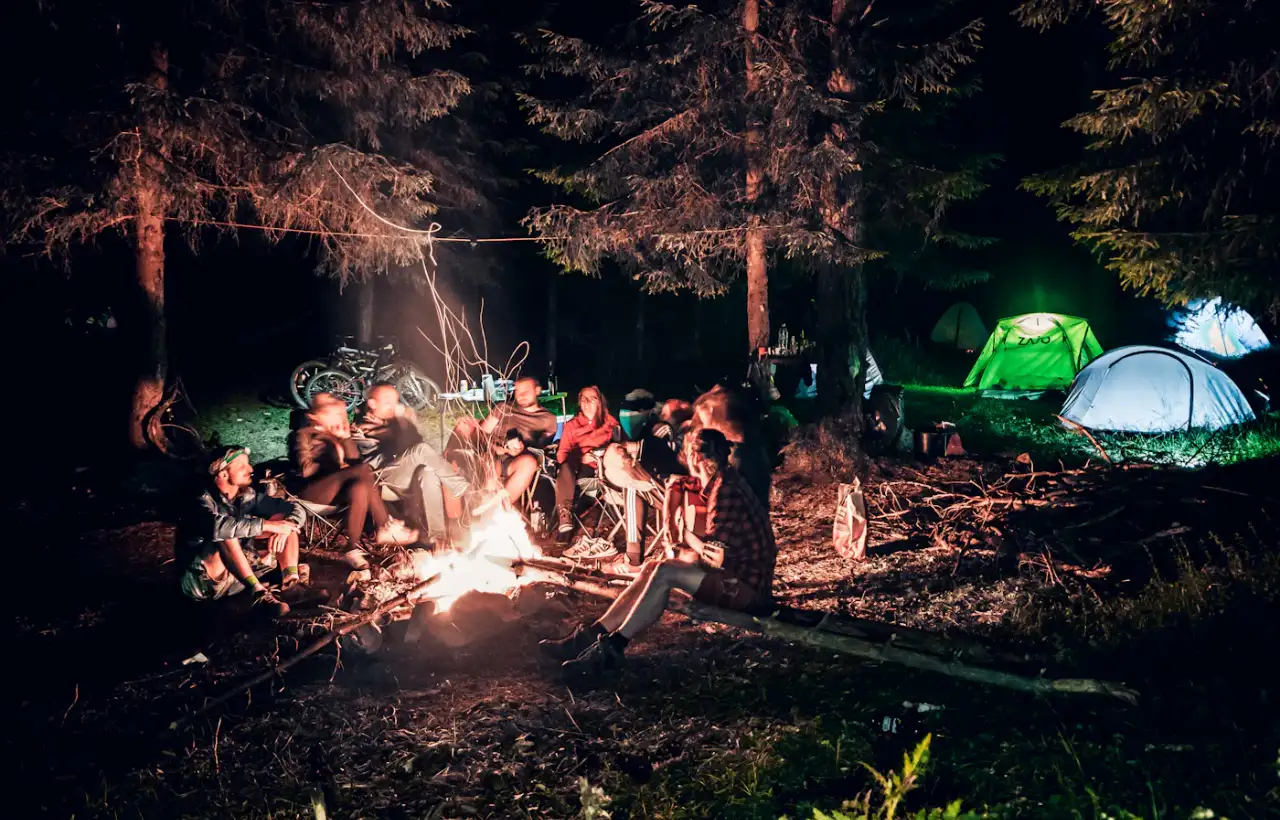
What to expect at pickup
Your Scout may come home sunburned in spots, covered in bug bites, very tired and very proud. A few tips for a smooth pickup:
- Arrive at the time your unit gives you, and ask whether there is a closing ceremony or family event to attend.
- Collect any medications from the leader or health officer, and check the lost-and-found before you leave.
- At home, check for ticks, splinters and skin irritation, and plan on a big load of laundry.
- Let your Scout rest and rehydrate; many campers need a day or two to catch up on sleep.
- Ask open questions like "What was the funniest thing that happened?" rather than "Did you have fun?"
- Look at their merit badge progress with them and thank the leaders who volunteered their week.
Plan the trip, too
Camp Perry is in Rio Hondo, in the Lower Rio Grande Valley. For directions, weather expectations and packing reminders, see plan your visit.
Frequently asked questions
Does my Scout need a physical for summer camp?
Yes, in most cases. Summer camp lasts more than 72 hours, so Part C of the Annual Health and Medical Record, a physical exam signed by a licensed health care provider, is required along with Parts A and B. Check whether your Scout's existing exam is still within its valid period.
Can I call my Scout during camp?
It depends on your unit and the camp. Many troops limit phone use so Scouts can focus on the experience. Ask your unit before camp how updates and emergency contact will work.
What if my Scout gets homesick?
Homesickness is common and usually fades within a day or two as Scouts get busy. Leaders are experienced with it and will contact you if it becomes serious. Avoid promising an early pickup, which tends to make it harder for a child to settle in.
How much spending money should I send?
There is no single answer. Ask your unit leader what is typical for your troop and how money will be managed, then send a modest amount in small bills with a plan for spending it through the week.
Can a parent attend camp with their Scout?
Often yes, but Scouts BSA camp is designed for Scouts to grow in independence with their troop's leaders. Adults who stay may need to register and complete Safeguarding Youth training. Cub Scout family programs are designed for parents to attend. Ask your unit for details.
Is financial help available?
Ask your unit leader and the council about camperships and unit fundraising. Help is frequently available but must be requested, so reach out early.
Conclusion
A first week at summer camp is one of the most memorable parts of Scouting, and good preparation makes it easier for both the Scout and the family at home. Start the health forms early, pack together, talk honestly about homesickness, and trust the trained leaders who will be with your Scout all week. You will likely pick up a more confident, more independent young person than the one you dropped off. For more answers, visit our FAQ, or learn how Camp Perry has hosted Scouts since 1927 in our Camp Perry history article.

Volunteer writers and Camp Perry alumni. We base our guides on published council materials and reputable public sources — always confirm current camp rules with your unit and the Rio Grande Council. Suggest a correction.